Category Archives: Barbados

Seeing in the Dark

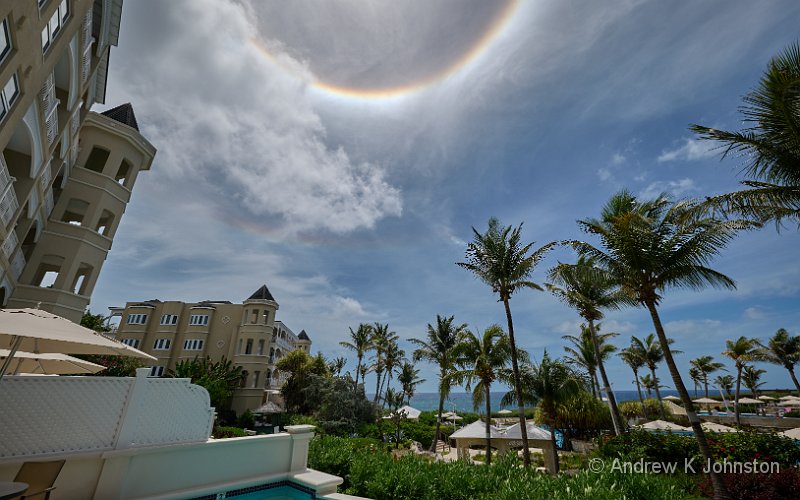
Ice Halo from the Crane Hotel
Camera: Panasonic DC-S5 | Date: 26-04-2026 10:37 | Resolution: 6514 x 4071 | ISO: 100 | Exp. bias: -1 EV | Exp. Time: 1/1300s | Aperture: 8.0 | Focal Length: 15.0mm | Location: Crane Hotel | State/Province: Crane Hotel, Crane, Saint Philip | See map | Lens: LUMIX S 14-28/F4-5.6

Adding a low-light specialist camera to an established micro-four-thirds kit

Since 2014 my primary camera system has been Panasonic Micro-Four-Thirds (MFT). I’ve worked through several generations, from the 12MP GH2, through GX7, GH4, GX8, G9 to the 24MP G9ii, enjoying the reach of tiny lenses, great depth of field, high speed from small, compact bodies, and progressive improvements in aspects like autofocus. In most circumstances the G9ii is the equal of any comparable DSLR or other mirrorless system, and wins on considerations such as speed, light weight, and stability at low shutter speeds (2s hand-held, no problem).

In most circumstances. The small sensor does have one Achilles Heel: at very high ISO or in lighting conditions with an extreme dynamic range it simply can’t match the image quality of the best full-frame systems. Over the last two years, between the aurora in Iceland, pre-dawn seascapes in Italy, night-time wildlife in South Africa and the night sky in Mongolia I started to become fully aware of the limitations – my images were OK, but not as good as I wanted. With other trips planned which might present comparable subjects, I decided that I had to address the issue.

Now I could just replace my MFT with a full-frame system. Full-frame mirrorless is now mature, and offers most of the capabilities I love in the Panasonic MFT system, and the lenses and bodies have become a bit lighter, if not actually as light as I’m used to. However it would be a compromise, and something of a backward step in terms of size and weight. I don’t want to do that.

The other option is to add a capability. I already have a specialist camera for when the camera needs to fit in my pocket and be almost invisible, but deliver "big camera" capabilities: the Sony RX100. I have a specialist camera for underwater and harsh conditions: the Olympus TG6. I have a specialist camera for getting up high or into places I cannot reach: my drone. I have an infrared-converted camera. So why not add a dedicated low-light and high DR solution?

The trouble is it’s not quite the same as the other cases. This can’t be solved by selectively adding a small additional device to the camera kit – it requires purchasing and then carrying a camera with a full frame or larger sensor, and its lenses, either instead of, or (worse) as well as the MFT system. For a while I agonised about whether this was the right path, and whether I could resolve the issue by simply using a combination of slower shutter speeds and wider apertures to hold the ISO down, but there are just too many subjects I shoot where that’s not viable.

Decision made, the "what" was pretty straightforward: I like Panasonic and the Lumix full-frame S-series get consistently good reviews. Within that range the recently-replaced S5D is practically identical to my G9ii apart from the lens hole and the sensor visible through it, using the same batteries and cards, and almost 90% identical menus and controls. As an older model I could purchase a good used one for relatively little. I deliberately chose a body with moderate-resolution sensor (same 24MP as my G9ii) to get large photosites (roughly each four times the area of those in my G9ii) and maximise the low light and high dynamic range advantages. To match the main expected subjects for this camera, I purchased used 20-60mm and 14-28mm lenses, putting the 18mm f/1.8 on my "buy or rent when I need it" list.

Initial indications were promising: photographing our Christmas Lights I established that although I rarely use the G9ii beyond ISO 1600, I can use the S5D at up to ISO 12800 with few issues, and ISO 25600 images are easily rescuable. The full-frame camera has wider dynamic range, which can be further boosted using the HLG (Hybrid Log-Gamma) mode. On the downside while the dual lens/body stabilisation means I can hand-hold the G9ii at the equivalent of 24mm focal length down to 2s, the body-only IS in the S5D is only good for about 1/4s at best. Also I have to remember that to get the same depth of field the full-frame camera has to be stopped down a whole stop!

Now I needed some extended tests. Fortunately we had a trip to Barbados scheduled, and I packed the S5D alongside my usual kit.

Halo, Halo

Over the years I have seen a few full-circle ice haloes. It may be coincidence, but most seem to be in Barbados, and their frequency seems to be increasing. On this trip we saw three clearly, as well as a couple of partial ones. One occurred when the only accessible camera was the Olympus TG6, and as expected I struggled to balance both the tropical sun in shot, and the deep shadows of other elements in shade. The result was just acceptable, but very noisy.

However on the next occasion I had the full frame camera to hand. I set the metering to automatic with -1 stop compensation, expecting the sun itself to blow out. This put the buildings and foliage deeply underexposed. Here’s one of the in-camera JPGs:
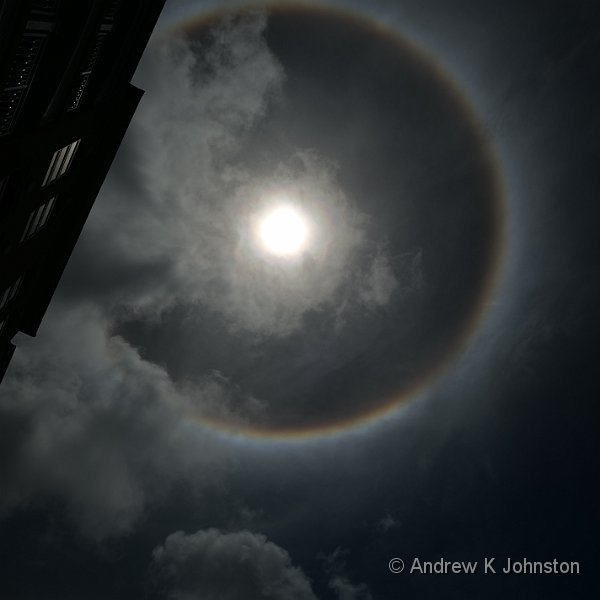
Ice Halo from the Crane Hotel (Show Details)

However, processing the shots in Capture One produced amazing results. This is a similar shot, and all I have done is adjust the HDR slider to 95% highlight recovery, 95% shadow recovery. Only the central sun disk is fully white, and the other elements are all well-exposed, with not a hint of noise. I’ve deliberately left the mid-tones slightly dark to bring out the secondary rainbow, but I would lighten them further if I wished. Tropical sun + deep shadows, no problem.
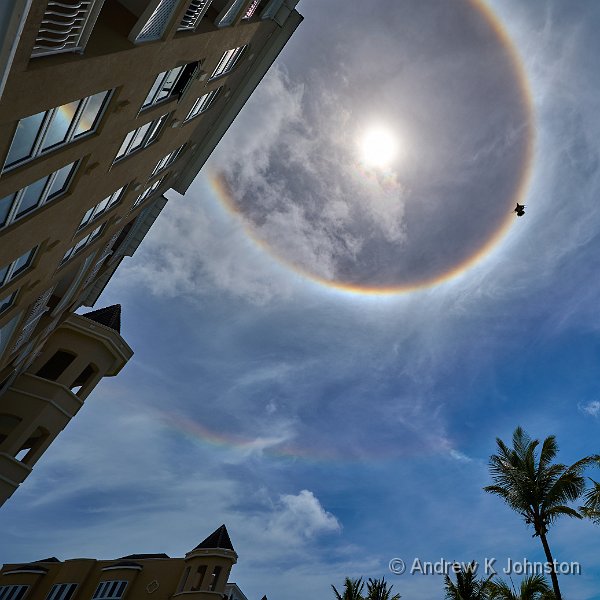
Ice Halo from the Crane Hotel (Show Details)

I’ve done similar shots with the Panasonic G-series cameras, and the result is always noisy shadows and mid-tones, and I often struggle to recover the highlights acceptably. I gave up using the "highlight metering" setting on the G9ii because the shadows are always problematic, but it should work perfectly with the S5D, especially in higher overall light levels.

Dynamic range even better than expected. Tick.

Into The Cave

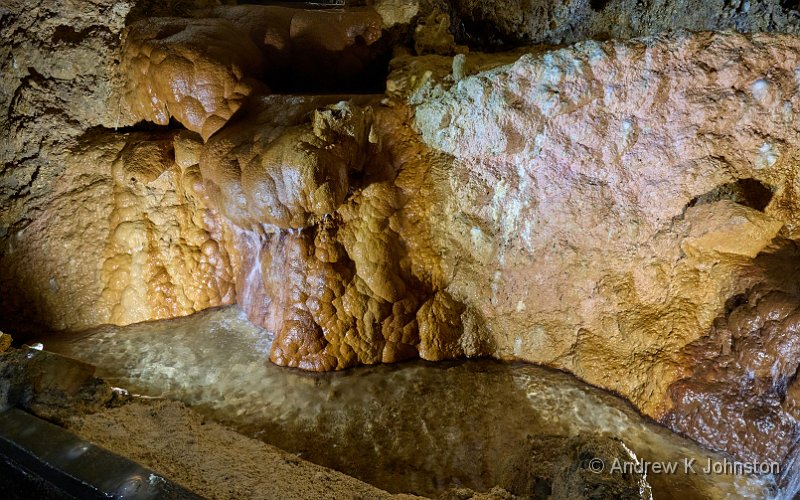
Barbados is a coral rather than volcanic island, and one side-effect is a system of caves similar to those found in limestone geologies with plentiful rainfall. Harrison’s Cave was opened up to visitors in the 1980s, but I hadn’t been since my very first visit to Barbados back in 1990. The attraction has been updated in recent years and I was determined to go this year, and it was an obvious test of the S5D’s low-light capabilities.

Sadly the vehicles used in the cave no longer resemble a miniature steam train, but the newer "train" of electric carts are comfortable and have a better seating capacity. The lighting on the featured formations has been updated, and you can probably get acceptable images with a phone.

However for high-quality results you will want to choose a smaller aperture (for depth of field), which will in turn force a high ISO to keep the shutter speed workable hand-held. I found a typical setting on the S5D was ISO 6400, f/8, 1/25s. The resulting images are great. Some had a touch of noise in the shadows, and benefitted from a light touch with Topaz Photo AI, but in reality would have been perfectly acceptable without.
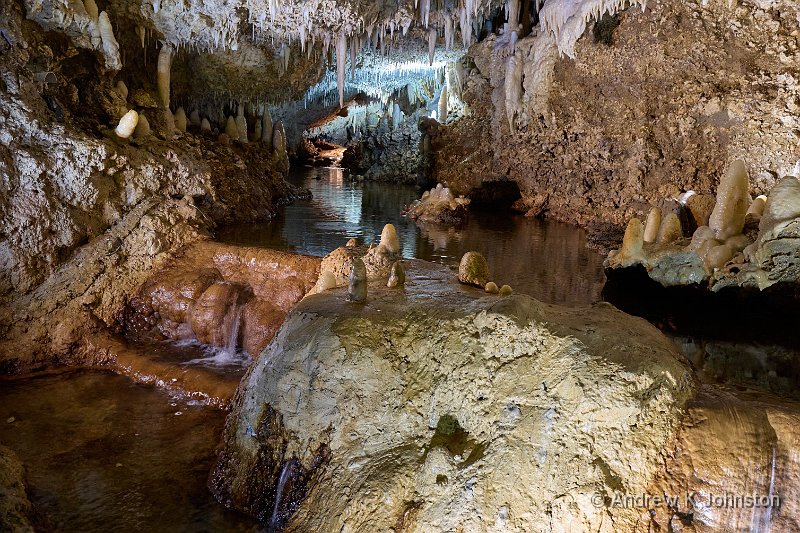
Harrisons Cave (Show Details)

Harrisons Cave (Show Details)

In retrospect I should have been braver and chosen a slightly higher aperture with ISO 12800, to get a bit more depth of field. That’s a learning point.

I could match this with the G9ii by going for a slightly smaller aperture (e.g. f/6.3), ISO 1600 and accepting a slower shutter speed courtesy of the better stabilisation (probably around 1/6s for the same exposure), but that only works because it’s a static subject in good working conditions.
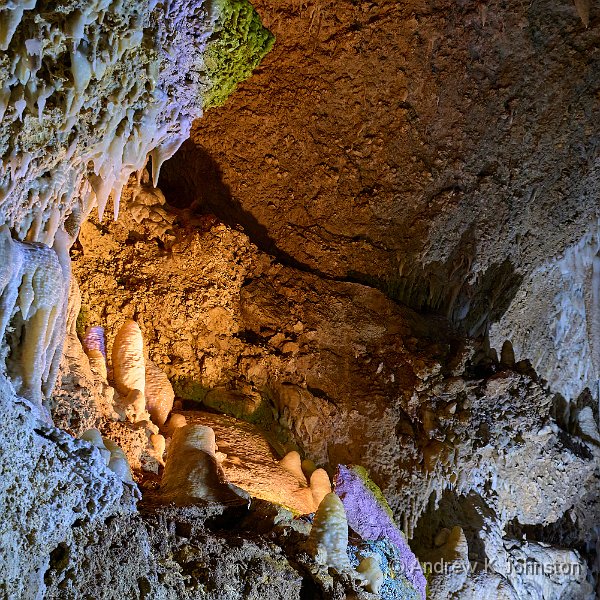
Harrisons Cave (Show Details)

Low light, tick.

So, How Is This Going To Work?

Sadly this complicates matters. Previously if I needed a "proper" camera the choice was easy: the G9ii paired with the "professional" Panasonic lenses. Great for sport, wildlife, landscape. For social settings or street shooting I could adopt a more subtle solution by packing the smaller "kit" lenses I keep as spares. I would just have to live with the limitations in low light or very high dynamic range.

It’s still easy if I need longer lenses, high speeds or high-performance autofocus e.g. daytime sports. That’s the domain of the MFT system.

Arguably the kits are interchangeable if the expected subjects suit wide-angle to normal focal lengths and are likely to be in good light. Flip a coin, take one, and live with either limited reach if I do need telephoto and I’ve got the full frame system, or poorer results if the light goes and I’m packing MFT.

However what if I expect both? What if in one session we’re going to a market, and I need a small, fast system with reach, but after that we’re photographing architecture in the blue hour? This is a real case, which will occur on the first day of my Uzbekistan trip. Do I carry both systems, or choose one? Watch this space…
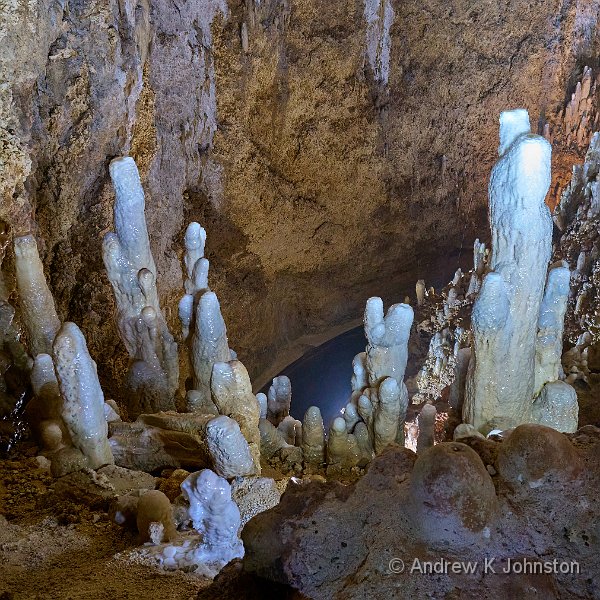
Harrisons Cave (Show Details)
View featured image in Album
Posted in Barbados, Micro Four Thirds, Photography, Travel | Leave a comment

Farewell, Ernie

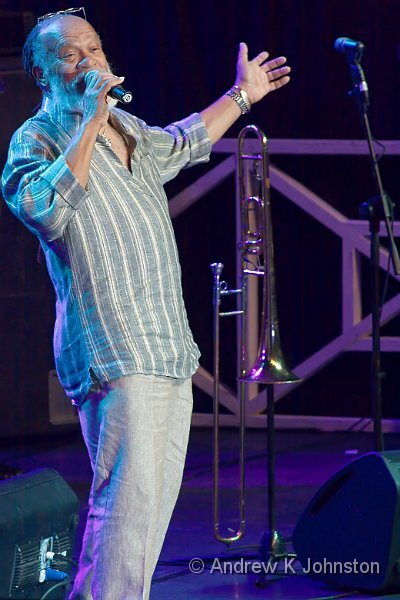
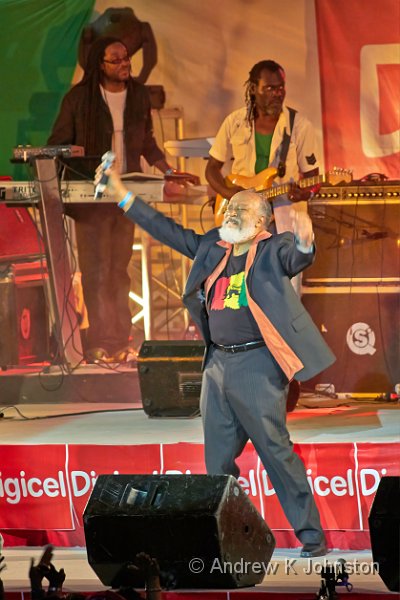
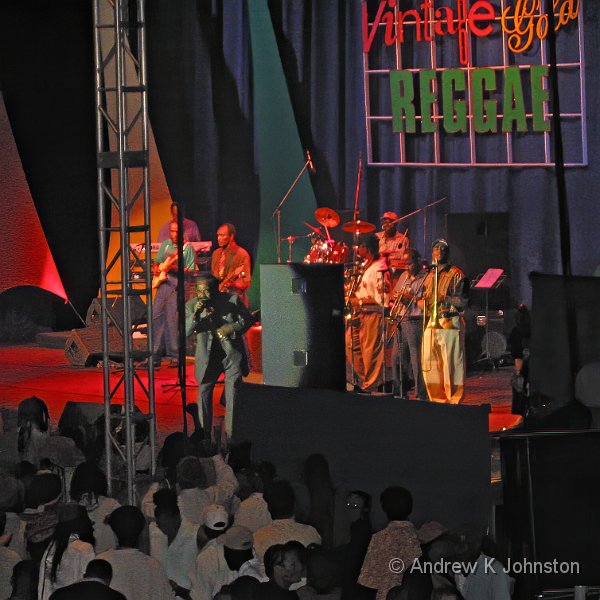
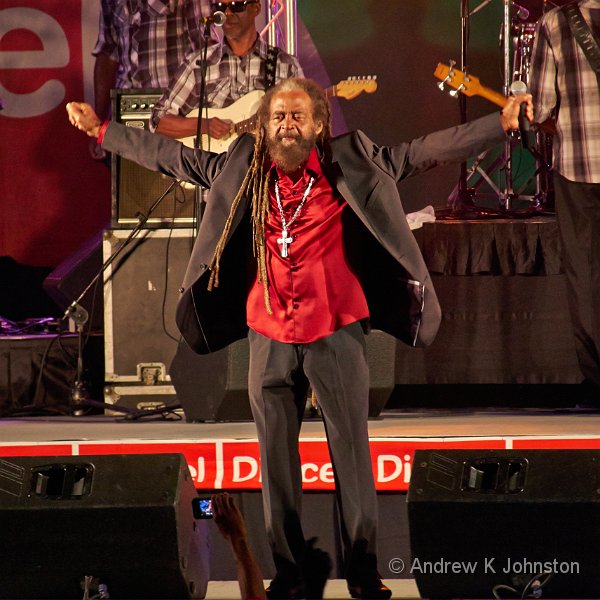
Ernie Smith - Barbados Vintage Reggae Festival 2010
Camera: Canon EOS 40D | Date: 24-04-2010 06:52 | ISO: 3200 | Exp. bias: -1 EV | Exp. Time: 1/100s | Aperture: 6.3 | Focal Length: 300.0mm (~486.5mm)

I was very sad to hear the news this morning of the passing of Reggae great Ernie Smith. A great entertainer, he had, for a Jamaican reggae singer, an unusual rich baritone voice, with which he rendered both his own compositions and those of his friend Pluto Shervington.

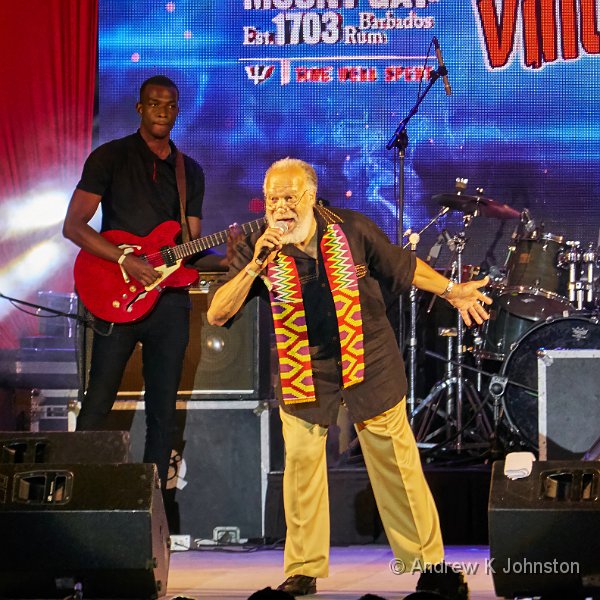
Ernie Smith – Barbados Vintage Reggae Festival 2012 (Show Details)

We were privileged to see Ernie three times, at the Barbados Reggae Festival in 2010, 2012 and 2018, and I have photographic evidence.

Ernie Smith – Barbados Vintage Reggae Festival 2012 (Show Details)

Ernie Smith also gave me my favourite music trivia question: “Which song started life as a country song, sung by a Jamaican, and is most famous as a reggae song sung by a Texan?”

Answers on a postcard…

Ernie Smith – Barbados Vintage Reggae Festival 2018 (Show Details)
View featured image in Album
Posted in Barbados, Thoughts on the World, Travel | Leave a comment

Olympus TG6 – Does the T Really Stand for “Tough”?

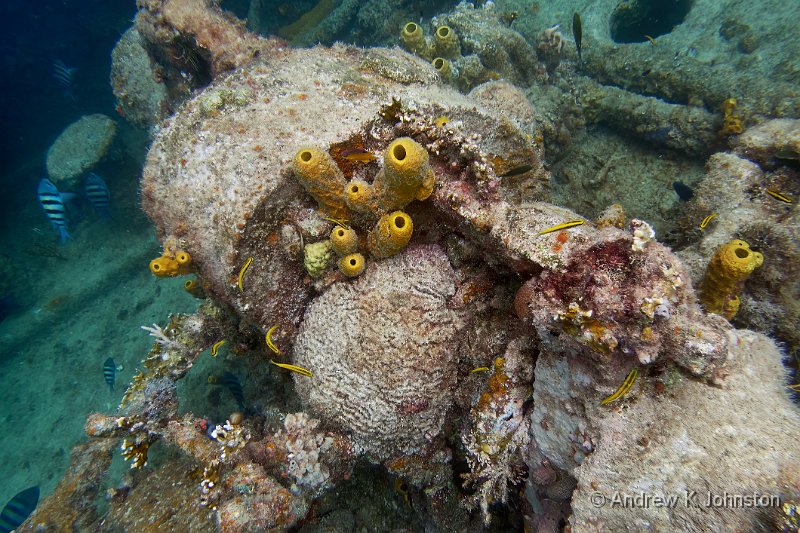
Snorkelling on the wreck of the Bajan Queen
Camera: OLYMPUS CORPORATION TG-6 | Date: 25-04-2023 14:38 | Resolution: 4243 x 2828 | ISO: 100 | Exp. bias: 0 EV | Exp. Time: 1/320s | Aperture: 2.8 | Focal Length: 4.5mm (~25.0mm)

I don’t do a lot of underwater photography, but I like to have an underwater-capable camera for snorkelling on holiday, and it’s also potentially a good option for working in very wet conditions above seal level. For the last 10 years I’ve used a Canon S120 with the Canon underwater housing, which works very well. It shoots RAW, and I’ve developed a very slick process for correcting the white balance to produce colour-accurate shots which can be put through my normal workflow alongside the output from my other cameras. A few years ago I also flirted with a Panasonic GF6, again with a dedicated housing, and that also worked well, but I decided it didn’t give me enough extra capability to justify the larger size of the kit.

Unfortunately as I’m getting older my eyes are changing, and on the last couple of trips I’ve struggled to see the rear screen of the S120 through the combination of snorkel mask and housing. I therefore decided I needed to remove at least one layer of distortions and reflections from the chain, by buying a camera designed for underwater use. To work for me it would have to have good stills capability, a large rear screen, RAW capability and physical controls (I don’t get on with phones as cameras, again it’s largely an eyesight thing). Those requirements eliminated most options but the Olympus TG6 seemed to tick all the boxes.

I approached the TG6 with a bit of trepidation: a lot of reviews suggest that even though it is underwater capable as-is, you should still put it in a housing for serious use. Also I had a bad experience with one of its predecessors, the TG2, which failed dramatically on its first use in the sea. However most reviews were positive, and I decided to have a go.

Some of the issues with the TG2 have been fixed. The newer camera supports RAW, and has an extensive menu of underwater focus and white balance options. The screen is no larger than the Canon S120’s, but without a housing it is easier to see. Generally the TG6 a “high capability” small camera, with some features such as macro focus bracketing which I don’t have with any other camera. The external seals have been improved, with a clever double-locking mechanism to make sure they are shut and stay shut. Importantly, the camera survived two snorkelling trips without springing a leak, which shouldn’t be an achievement for this type of camera, but based on my previous experience, it is.

However I really struggle with the “tough” designation. By default the lens comes without any protection at all, so I shelled out an extra £35 on the LB-T01 “lens barrier”, which clips on in place of the filter ring and provides a neat “twist to open or close” lens cap. However on the second snorkelling trip I had to wade back onto the beach through some sandy surf. Some of the sand obviously worked its way into the lens barrier, and it jammed open. I await a replacement, and probably a future recurrence.

You imagine these devices being thrown into kit bags and dropped on floors, but if you do so you’ll rapidly scratch the rear screen out of usability. I carried the camera on its first trip in the side pocket of my snorkel bag. Just an empty, clean pocket in a nylon bag, nothing else in it. When we reached the boat the rear screen had picked up a couple of small but distinct scratches. I’ve just watched a program where they showed the “key scratch test” used on FitBit screens, but heaven knows how the TG6 would survive that. What’s annoying is there’s a very simple solution short of engineering the screen with genuinely tough glass – why doesn’t it come with a screen protector fitted as standard, and then you can just replace that when it’s damaged? I’ve fitted one now, but it’s a bit too late…

You still have to open either the USB port cover or the battery cover to recharge the battery. Why can’t it have an exterior charge point like a FitBit, or inductive charging like my toothbrush? Then if you set up WiFi to access the data you could leave the camera sealed for a whole trip, which would be much more secure. As it is I’m still not 100% convinced that the next time out won’t be the time the seals fail and it goes the way of the TG2.

Given my changing eyes I’ll hang onto the TG6 at least for a planned beach trip at the end of the year, but unlike some cameras, it’s a bit on sufferance and not an entirely comfortable relationship.

View featured image in Album
Posted in Barbados, Photography, Reviews, Travel | Leave a comment

Barbados – Mojo Reanimated

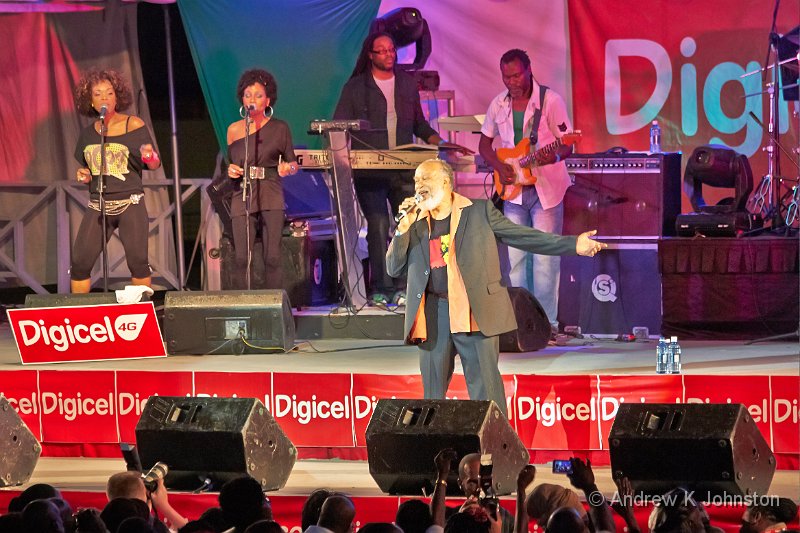
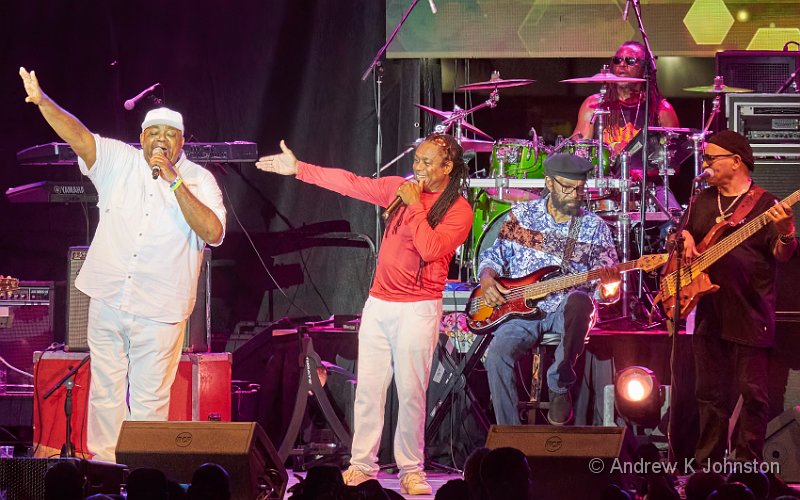
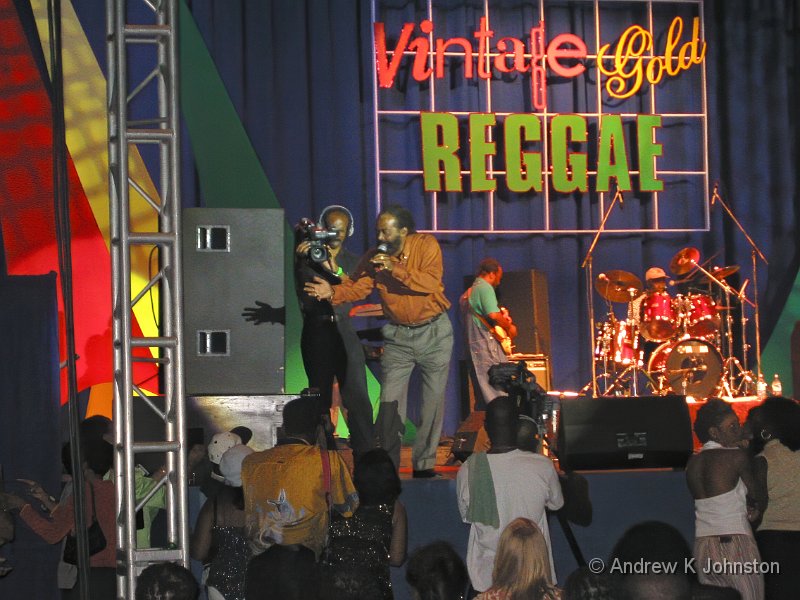
Thirs World with guest Biggie Irie at the Barbados Vintage Reggae Festival 2023
Camera: Panasonic DC-G9 | Date: 29-04-2023 00:49 | Resolution: 3400 x 2125 | ISO: 1600 | Exp. bias: -133/100 EV | Exp. Time: 1/200s | Aperture: 5.6 | Focal Length: 177.0mm | Lens: LUMIX G VARIO 100-300/F4.0-5.6II

It gives me great pleasure to announce that Barbados has its mojo back.

We’ve been regular visitors to the magical island over many years now. It was a real frustration that our 2020 trip got cancelled with only a few weeks’ notice, and we couldn’t wait to return. We were lucky enough to get back at the end of 2021, and also in 2022, but between the impacts of a year of lockdowns and enduring Covid restrictions it was somehow changed. Yes, the sun still shone and you could still get a good meal (before the 9.00 curfew), but many of the touches we value were missing. Barbados’ mojo was (as no blues song has ever put it) not in an operational state.

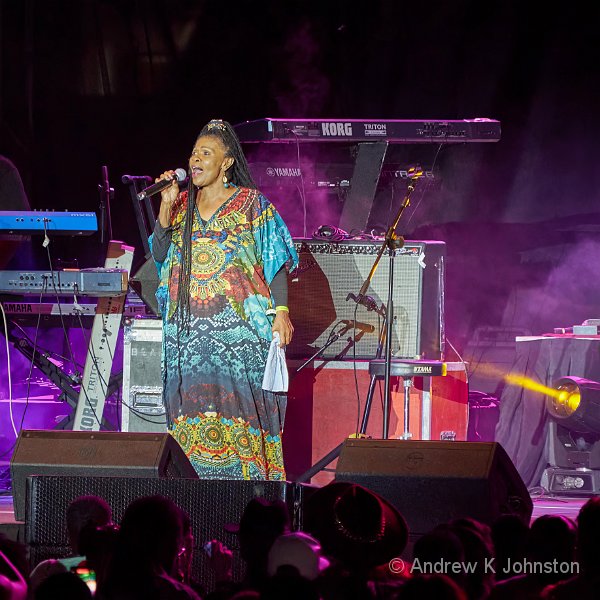
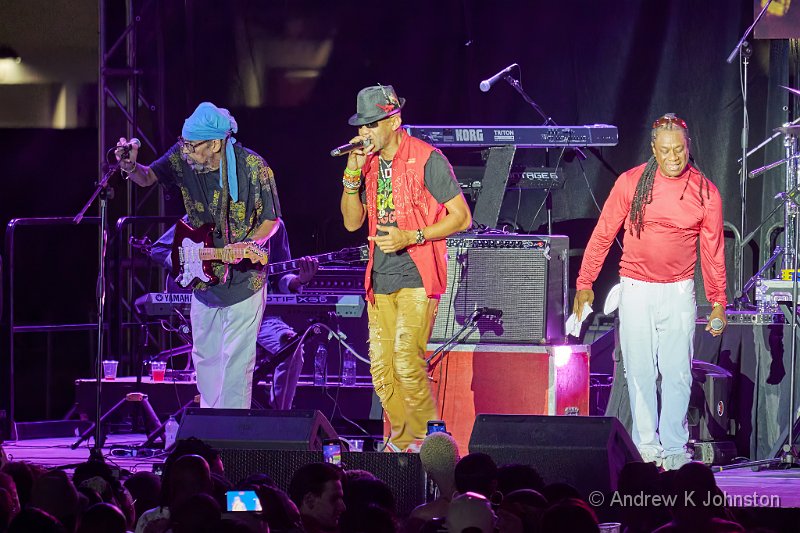
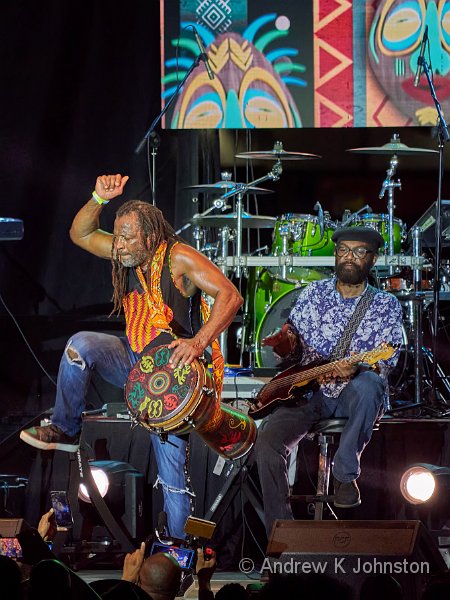
Suddenly, this April, it’s working again. The most visible single indicator is the triumphant return of the Reggae Festival.  On Friday we were treated to a parade of well-loved faces and voices. Local girl Wendy Alleyne (OK, she’s probably older than I am) opened her sparkling set with the hilarious “I Am Still Here” (essentially “I’m Not Yet Dead”). The Fab 5 stormed in from Jamaica with all the old favourites, even if they can’t jump as high as before and no longer have their full brass section. However the highlight of the evening was undoubtedly Third World, who’s stunning set encompassed reggae, rock, a bongo solo, Redemption Song on a cello, and the operatic “Con Te Partirò”!

Wendy Alleyne at the Barbados Vintage Reggae Festival 2023 (Show Details)

Third World at the Barbados Vintage Reggae Festival 2023(Show Details)

Third World at the Barbados Vintage Reggae Festival 2023, and no, that isn’t Romesh Ranganathan on Bass! (Show Details)

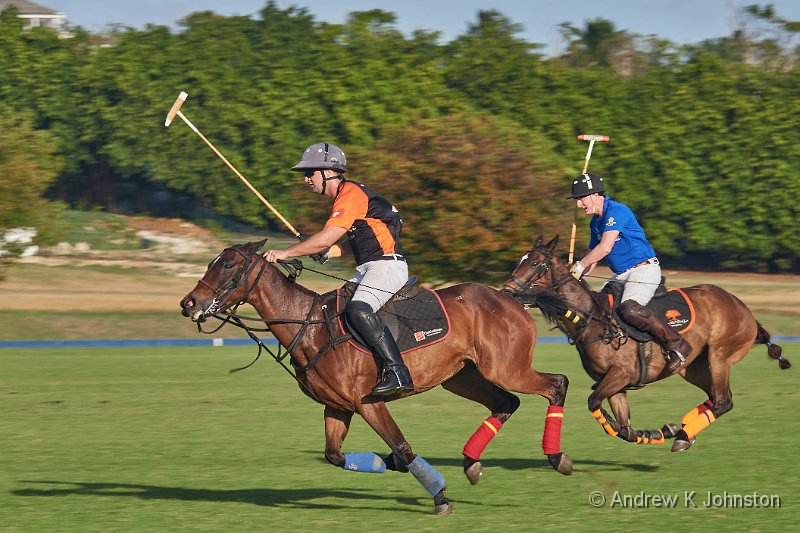
There are other signs too. New restaurants have replaced many of those which failed during Covid. The sporting agenda is more or less back to normal and we got to our first polo match in 4 years.

Barbados vs Switzerland (Show Details)

The buzz is back. Wonderful!

View featured image in Album
Posted in Barbados, Reviews, Thoughts on the World, Travel | Leave a comment

Getting High (But Not That High)!

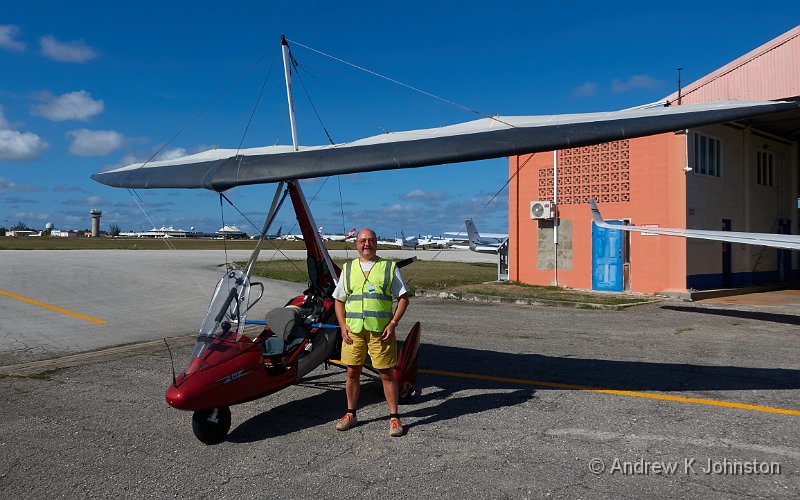
Andrew with the AirSportsBarbados microlight
Camera: SONY DSC-RX100M4 | Date: 22-04-2019 20:00 | Resolution: 4621 x 2888 | ISO: 125 | Exp. bias: -0.7 EV | Exp. Time: 1/320s | Aperture: 4.5 | Focal Length: 8.8mm (~24.0mm)

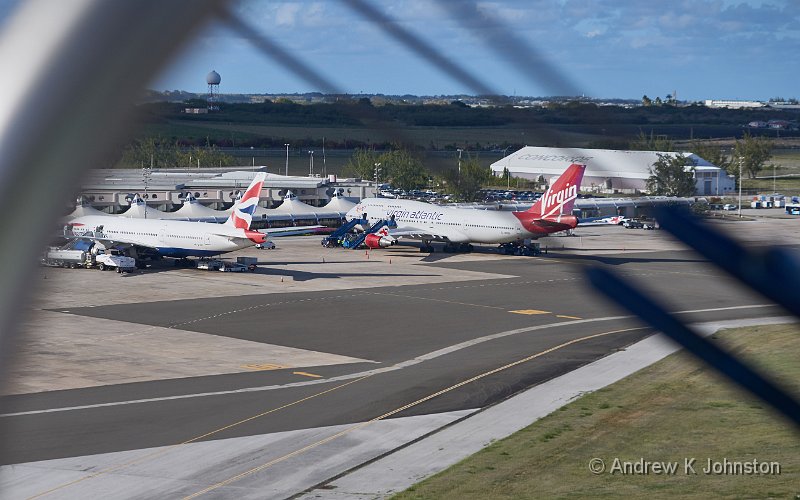
Back in 2019 I was privileged to take what is a pretty unique airborne trip. Paul Nugent of Airsportsbarbados had one of only four two-seater microlight aircraft in the Caribbean, and at that time was running tours. To make it interesting, he was based at the International airport (Barbados only has one), so we queued up for take-off behind a 747 bound for Canada, and formed an orderly queue behind a Lear Jet to land!

View back over Grantly Adams International Airport – through the propeller of a microlight! (Show Details)

Camera and lens choice was important, as I needed something light, easy to manipulate and which wouldn’t stick out too far into the slipstream. Also I wouldn’t be changing lenses! The Panasonic G9 was the ideal body, and I paired it with the jewell-like Panasonic 45-175mm. That’s a real gem: only 90mm long (and no longer, it’s an internal zoom) weighs 210g, and its tiny size means that it can be held stable in quite a strong wind.

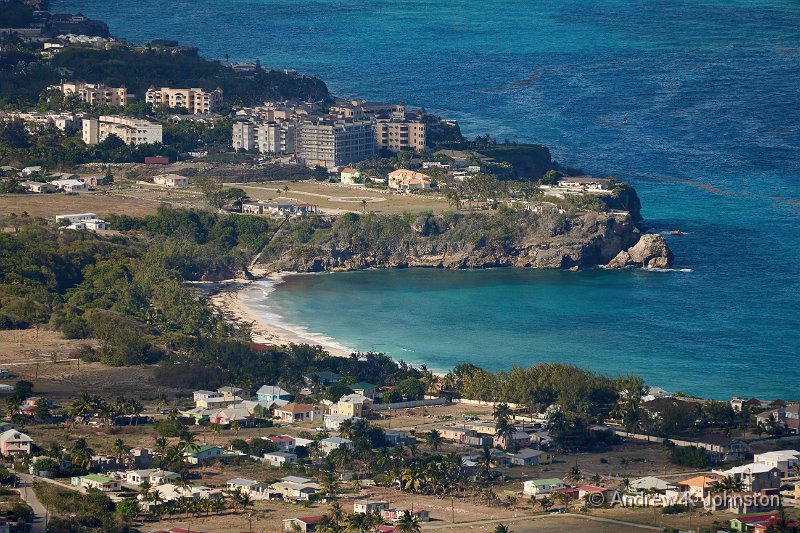
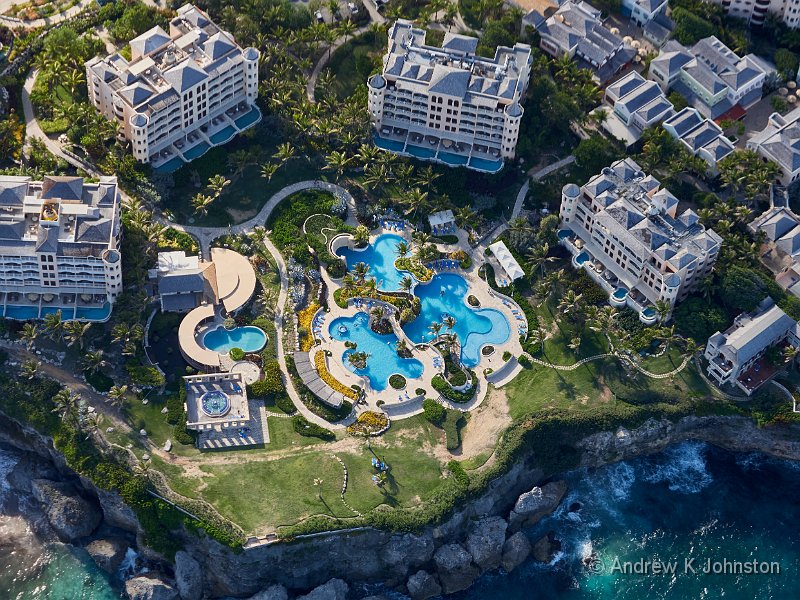
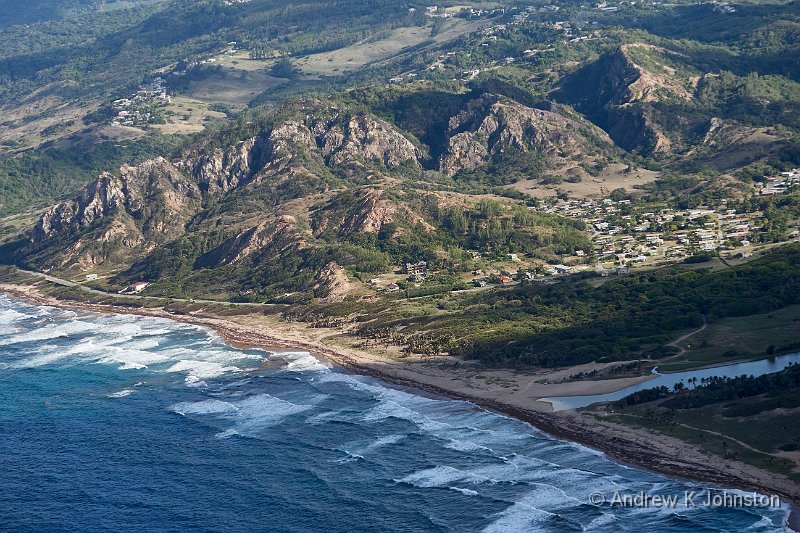
We flew up the East Coast and back, which gave me great views of The Crane, where we stay. On a really good day I might be able to get these shots with a drone, but the prevailing wind would make it a challenge. it’s less of an issue if you yourself are 300ft up.

The Crane, Barbados, from a Microlight (Show Details)

The pools at The Crane, Barbados, from a Microlight (Show Details)

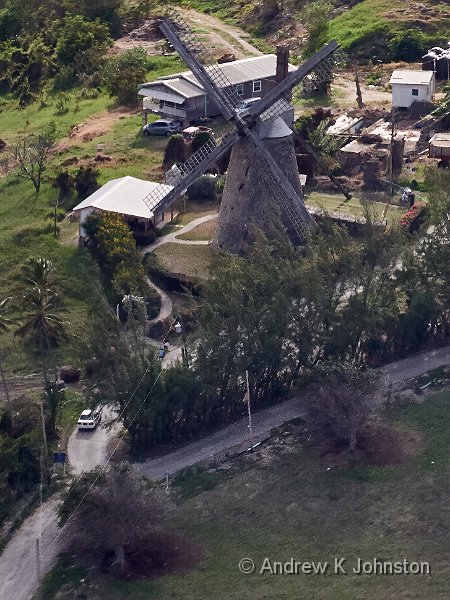
The trip also took in other well-known sights on that side of the island including Codrington College, Bathsheba and the Morgan Lewis Windmill. Being able to photograph Morgan Lewis from the air was especially entertaining as it had just re-opened after a multi-year restoration, and by coincidence we had visited it, on the ground, the previous day.

The Morgan Lewis Windmill, from a Microlight (Show Details)

This wouldn’t be for everyone, but if your phobias allow it and you ever get the opportunity to do something similar, take it!

View featured image in Album
Posted in Barbados, Photography, Thoughts on the World, Travel | Leave a comment

Walker’s Reserve

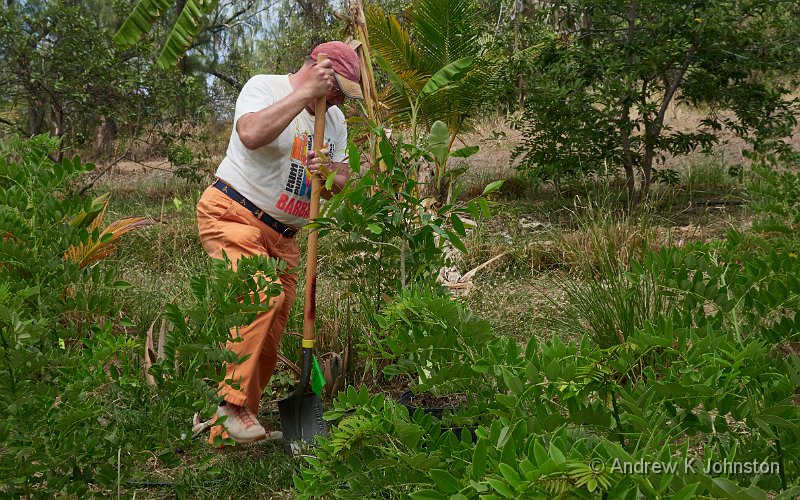
Andrew planting a tree at Walkers Reserve
Camera: Panasonic DC-G9 | Date: 21-04-2022 13:58 | Resolution: 4851 x 3032 | ISO: 200 | Exp. bias: -66/100 EV | Exp. Time: 1/200s | Aperture: 8.0 | Focal Length: 20.0mm | Lens: LUMIX G VARIO 12-35/F2.8

With timing more serendipitous than deliberate I spent the eve of Earth Day at one of Barbados’ newest features – the nature reserve being created as the old sand quarry at Walkers in St. Andrews is being wound down. This was fortuitous in more ways than one: I’m always keen to see new attractions when we visit Barbados, but I can now claim something of a professional interest as well. My latest engagement with Aviva centres on their ambition to become the leading financial services organisation in respect of sustainability, and it was good to go hands on with a small but very practical sustainability project.

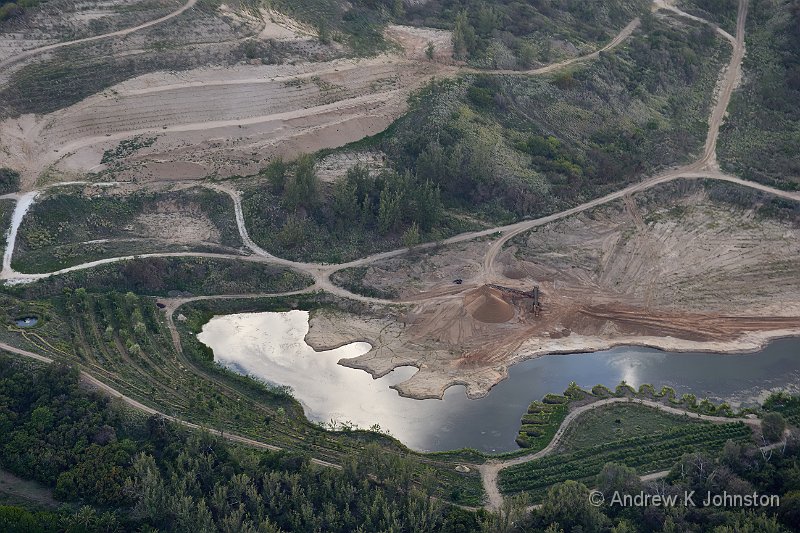
The site is in a corner of Barbados which doesn’t support much agriculture, and has since 2016 been designated as a National Park (along with most of Barbados’ East and North Coasts). When I’ve previously looked down on the area from the surrounding hills, or during a wonderful microlight flight in 2019, it’s always seemed somewhat ugly and barren, so the idea of turning it back into a semi-wild reserve seems perfect.

The Walkers Reserve site in 2019, early terracing work visible (Show Details)

There are some challenges. Although Barbados is green everywhere you look, and I’m writing this in the middle of a truly Biblical downpour, the reserve has to be designed on a "water deprived" basis, as it has to cope with both protracted dry periods, and then heavy rains most of which, unless trapped, will just drain straight to the sea. That affects both the choice of plants, which have to be tolerant to salt, heavy rainfall and dry periods, and the landscaping, designed with multiple traps to catch and slow rainwater for irrigation.

Much of Barbados’ agriculture is mono-cultural, especially the large areas dedicated to sugar cane, with all the associated physical and economic risks. Planting at the reserve is by contrast a deliberate polyculture, with multiple different species deliberately alternated. It’s a good example of taking some short-term pain (e.g. more tricky harvesting of the fruit) for longer-term benefits.

They also have to manage the endemic vegetation and wildlife, which includes a number of invasive species, most noticeably the weed which fills the freshwater ponds. Barbados doesn’t have a great record on invasive species management. One of the creatures which crossed our path on the tour was a mongoose – now a significant part of the Barbados fauna, but originally introduced to try and keep down the (also introduced) rat population. The problem is that rats are nocturnal and mongeese are diurnal, so never the twain meet…

Education is a major part of the reserve’s mission. Some of the biggest challenges relate to the behaviour of local people and visitors, and will only be addressed by cultural change driven by that education. Littering has long been an issue across Barbados, and during heavy rains the reserve gets a graphic measure of this as anything deposited in the local waterways is washed down through its rivers and ponds. Plastic bottles are a constant nightmare, but my guide Meike has even seen a dumped fridge. Educational and information campaigns are starting to have an effect, but without a recycling culture (and with few local recycling facilities) it’s going to be a slow process.

Other behavioural challenges include persuading local farmers to use fewer chemicals, and persuading the owners of ATVs and dirt bikes not to use them on the fragile, protected dunes on the coastal side of the reserve.

One of the most graphic examples of where behavioural change could help is the "harvesting" of coconuts. Wherever there’s a coconut palm tree there will be coconuts, which will just rot if they fall on the ground, and there will usually be someone who wants to harvest them. They are definitely a renewable natural resource. So far so good. However what tends to happen with the vast majority on Barbados is the coconut is tapped for the coconut water, and then the rest of the nut, including the flesh/cream and copra, is just left to rot almost where it fell. There’s no attempt to extract and use what must potentially be a valuable food resource (surely at least for animal feed?) On top of that many of the illicit "harvesters" use spiked shoes to climb the trees, with a devastating effect on the tree bark. One can’t help but think that there has to be a better, longer-term approach.

As part of your visit you can plant a tree, which is a great opportunity to both make a practical contribution and offset the carbon emissions of your flight. I was given a Jamun tree to plant. These are fast-growing trees which produce both edible fruit and eventually useful water-resistant timber. As they can grow to over 10m tall one tree should comfortably offset the 2 tonnes or so of CO2 generated for a return Economy flight across the Atlantic, but it puts it in perspective that for true offsetting every passenger should plant such a tree on every trip, and that’s certainly not happening.

Even one tree helps the staff with their current project. Apparently the Jamun fruit make excellent wine, and the bee colony is now producing enough honey that they’ve started on making mead. That’s one Barbados tradition which doesn’t need to change, growing stuff and turning it into booze!

Walkers and Windy Hill from a Microlite (Show Details)

As with any post-industrial change there are both positive and negative impacts. Barbados will no longer be self-sufficient in sand for construction, and those who quarried and transported it will have to find alternative work, replaced by biologist/farmers, who also have to do a turn as tour guides and educators. It will be interesting to watch how things progress, but I hope that Walkers Reserve will succeed as a considered greening of an old industrial scar. It’s well worth a visit, and I hope its educational mission succeeds in building longer-term, more environmentally-focused thinking on Barbados and elsewhere.

View featured image in Album
Posted in Barbados, Sustainability, Thoughts on the World, Travel | Leave a comment

Blast from the Past

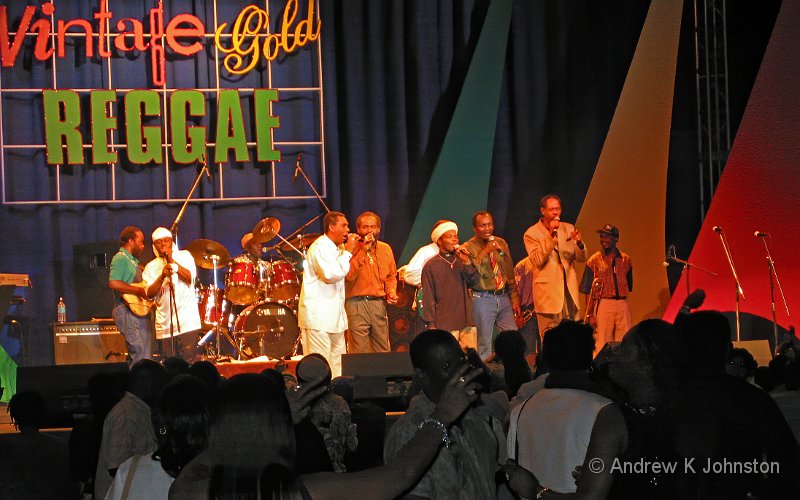
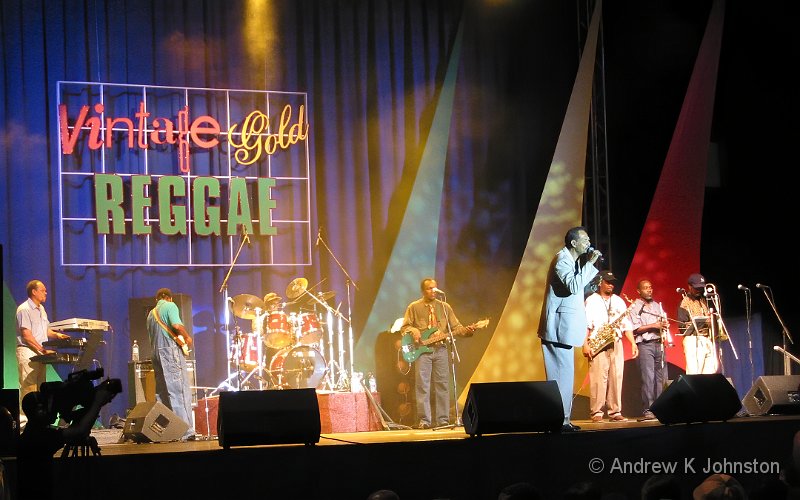
Sugar Minott, Ken Boothe, John Holt, Eric Donaldson, Pluto and Boris Gardner at the Original Barbados Vintage Reggae Concert 2003
Camera: Canon PowerShot S40 | Date: 23-03-2003 06:28 | Resolution: 2192 x 1370 | ISO: 400 | Exp. bias: 0 EV | Exp. Time: 1/60s | Aperture: 4.9 | Focal Length: 21.3mm (~103.2mm)

With my friends Bob Kiss and John Birch both busy resurrecting old photographs with new software, I thought I would have a go. To give it a real challenge, I went back to my shots from the original 2003 Barbados Vintage Reggae Festival. These were taken indoors using a 4MP Canon S40, which had a maximum usable ISO of 400 (200 was a better bet), and because I didn’t know about such things back then, I captured only JPG, not RAW.

Boris Gardner at the Original Barbados Vintage Reggae Concert 2003 (Show Details)

However, Topaz Denoise AI has worked its magic, and I’m very pleased with these.

John Holt at the Original Barbados Vintage Reggae Concert 2003 (Show Details)

And yes, that is Sugar Minott, Ken Boothe, John Holt, Eric Donaldson, Pluto and Boris Gardner all onstage together at the end! The very best wishes to those still with us, and may those who have sadly departed this sphere rest happily, but hopefully not too quietly, in peace.

John Holt at the Original Barbados Vintage Reggae Concert 2003 (Show Details)
View featured image in Album
Posted in Barbados, Photography, Travel | Leave a comment

The Hut of Alleged Towels

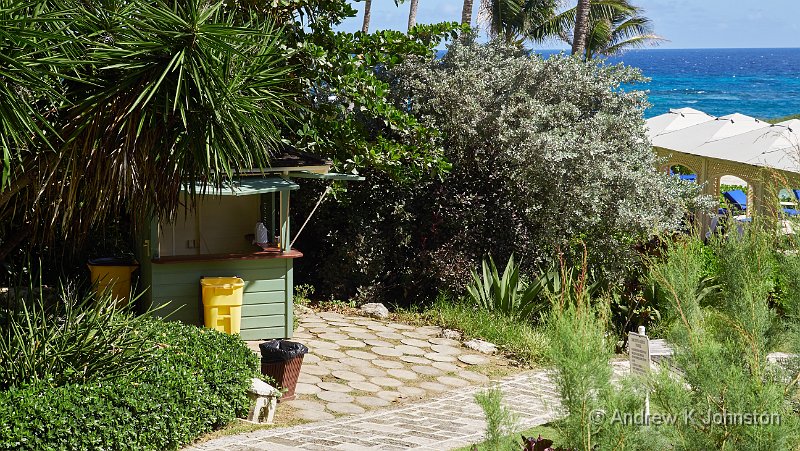
The Hut of Alleged Towels, The Crane, Barbados
Camera: Panasonic DMC-GX8 | Date: 10-11-2017 13:34 | Resolution: 5184 x 2920 | ISO: 200 | Exp. bias: -33/100 EV | Exp. Time: 1/500s | Aperture: 5.6 | Focal Length: 27.0mm | Lens: LUMIX G VARIO 12-35/F2.8

The Crane Hotel, Barbados has a hut whose purpose is to take in used beach towels, and dispense fresh ones. It has no other purpose. It is staffed during daylight hours by a helpful young chap, but on our recent visit he seemed to rarely, if ever, have any towels to dispense. Now if I was the manager and paying that chap’s salary, I would make sure enough laundry was being done to provide a reasonable supply, but then I’m weird…

We took to calling it "The Alleged Towel Hut", but then decided that was unfair. The hut itself satisfies reasonable standards of proof of its existence. The towels do not. Hence we have decided on a better term. This is now officially "The Hut of Alleged Towels". 🙂

View featured image in Album
Posted in Barbados, Thoughts on the World, Travel | Leave a comment

Into the (Infra)Red

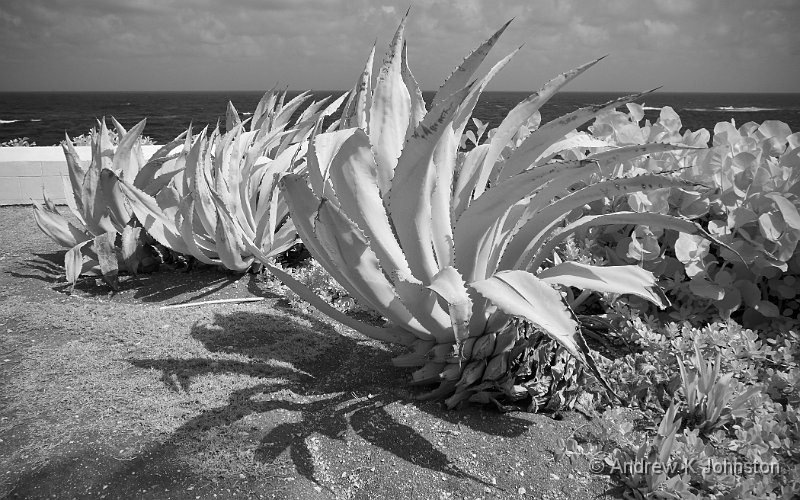
From The Crane, Barbados. Taken with the infrared-converted Panasonic GX3
Camera: Panasonic DMC-GF3 | Date: 15-04-2015 14:33 | Resolution: 4202 x 2626 | ISO: 160 | Exp. bias: 0 EV | Exp. Time: 1/4000s | Aperture: 3.5 | Focal Length: 14.0mm | State/Province: Christ Church | See map | Lens: LUMIX G VARIO PZ 14-42/F3.5-5.6

Last Summer I purchased a Panasonic GF3 which had been converted to infrared photography. Like with many gadgets, there’s a period where you play with the funky effects, and I quite like the way you can get a really deep blue sky if you do a "channel swap" on the processed image. However I have now established its milieu, and that’s dramatic black and white shots of either partially cloudy skies, or graphic vegetation.

To help with this, I now have it set up to record RAW+JPG, with the picture style set to monochrome. The in-camera results may be slightly different from where the processed image ends up, but they are a decent guide.

Processing is very simple: you just use the "Color Sensitivity" mode of Capture One’s Black & White tool. This is a classic channel mixer, but one in which the channels have a dramatically different effect to on a full-spectrum original. Red affects sky shadows and midtones. Yellow controls the sky and reflected highlights. Blue controls the tone of foliage with some effect from Cyan. Counter-intuitively the green and magenta mixers have almost no effect whatsoever! I now have a sensible starting point for images like the above set up as a preset, but the sliders will usually need a tweak to get the tonal balance right, and some global levels and curves tweaks may also sometimes be needed.

I’m very pleased with the image quality. The image is lower resolution than some of my others for two practical reasons: the GF3 only has a 12MP sensor, and that an older design, and infrared light simply can’t resolve the same detail as blue with its much shorter wavelengths. In practice, however, neither of these are an issue. I bought the camera after reading an article by Ctein, who complained about "hot spotting" through some Micro Four Thirds lenses. I’ll accept that I’m not as critical as he is, but I’m extremely pleased with the results from the inexpensive Panasonic 14-42mm power zoom lens. There’s slightly more visible vignetting at the widest setting than in a colour picture, but otherwise I can’t see much wrong with this.

Now I just need some more "graphic vegetation"!

View featured image in Album
Posted in Barbados, Photography, Travel | Leave a comment

Monochrome, Sort Of…

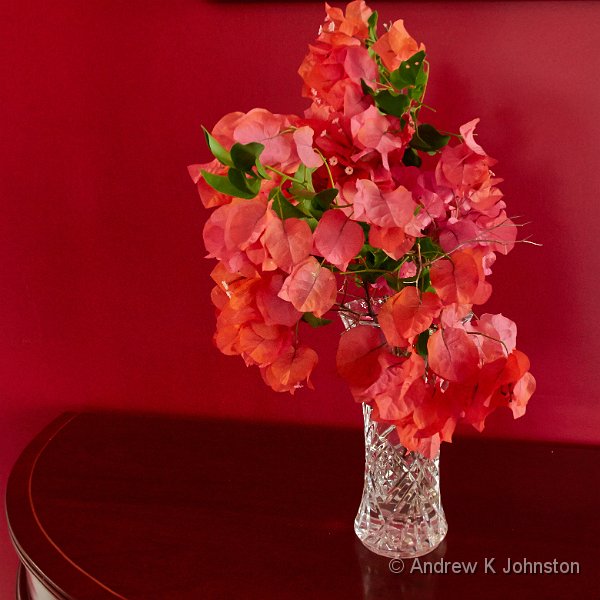
Flower display at Clifton Hall House, Barbados
Camera: Panasonic DMC-GX7 | Date: 16-04-2014 19:20 | Resolution: 3123 x 3123 | ISO: 3200 | Exp. bias: -66/100 EV | Exp. Time: 1/8s | Aperture: 8.0 | Focal Length: 12.0mm | Lens: LUMIX G VARIO 12-35/F2.8

I’m making use of my new Windows MacBook to catch up with photo processing, including a few shots from our trip to Barbados last year. One of the things I particularly love about the Caribbean are the splashes of colour from the various flora, and I’ve noticed that an increasing proportion of my photos are nice flowers.

This display appealed because it’s all related shades of red, pink and brown. This makes it almost a “monochrome”, even though there’s no black, white or grey in sight!

Barbados has an interesting little tradition that people throw open some of the larger or historically significant private houses to visitors a few days each year. Clifton Hall House had fallen into disrepair, but was recently bought up and renovated by a Massimo Franchi, an international lawyer and sports agent (Scottish, despite the Italian name). He personally made us very welcome, and after our tour of the house we spent a happy hour on the veranda discussing our shared interests, plumbing and DIY with him! Nice bloke, lovely house.

View featured image in Album
Posted in Barbados, Photography, Travel | Leave a comment

Goodbye Dr. Love

John Holt at the Barbados Reggae Festival, 2014
Camera: Panasonic DMC-GX7 | Date: 26-04-2014 04:14 | Resolution: 3424 x 3424 | ISO: 3200 | Exp. bias: -66/100 EV | Exp. Time: 1/100s | Aperture: 5.6 | Focal Length: 300.0mm | Lens: LUMIX G VARIO 100-300/F4.0-5.6

I was very sad this morning to hear of the passing of the great reggae singer, John Holt. Help Me Make It Through The Night is very possibly my favourite reggae love song, and the contrast between his sweet voice and the electric brass section always sends shivers down my spine. We were lucky enough to see John perform several times at the Barbados Reggae Festival, most recently this April, by which time he was probably already ill, but it took nothing from his performance. A great musician, who will be sadly missed.

View featured image in Album
Posted in Barbados, Thoughts on the World | Leave a comment

Improved Capture

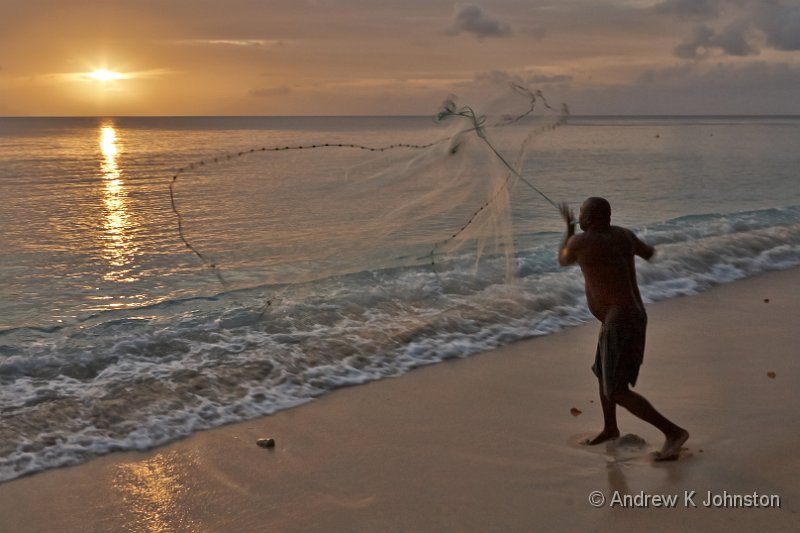
Fisherman casting net on Gibb's Beach, Barbados. Developed with Capture One 7
Camera: Canon EOS 40D | Lens: EF-S17-85mm f/4-5.6 IS USM | Date: 23-04-2008 21:58 | Resolution: 3233 x 2155 | ISO: 200 | Exp. bias: -2 EV | Exp. Time: 1/40s | Aperture: 20.0 | Focal Length: 17.0mm (~27.6mm) | Lens: Canon EF-S 17-85mm f4-5.6 IS USM

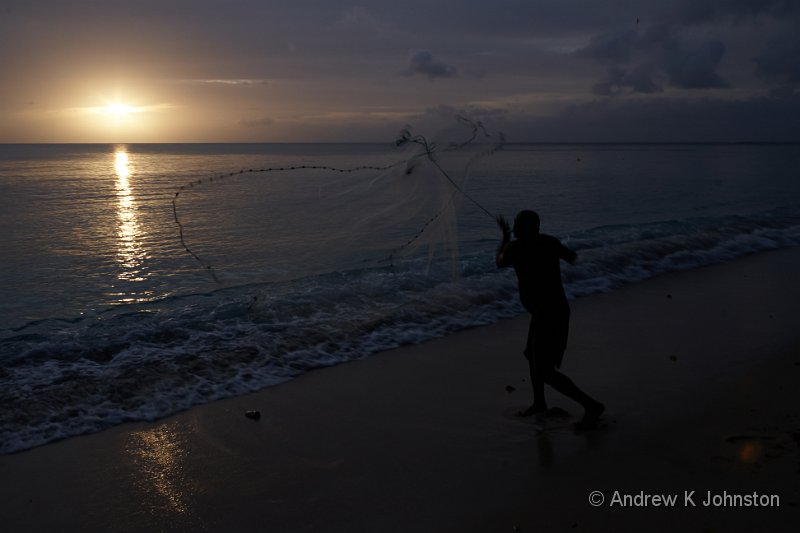
Following on from the last post, I thought I’d pop up an example to highlight the improvements possible through just the right choice and use of software. The picture above was taken back in 2008, on my old Canon 40D. As soon as I’d taken it I knew that I had a great latent image, but the very high dynamic range was a real struggle. The original in-camera JPEG is long gone, but the following version with no adjustments shows the problem: the sun and its reflections are completely blown out, and the automatic metering has substantially under-exposed the darker parts of the scene:

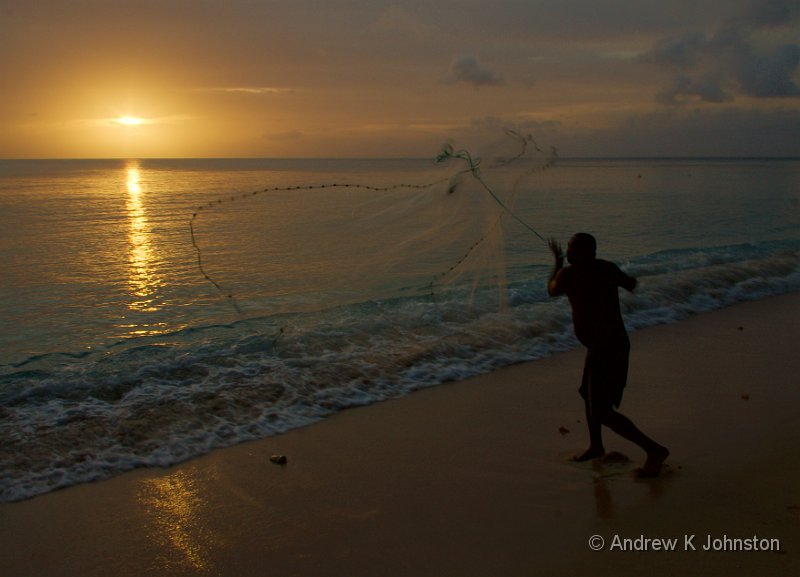
My original development using Bibble 4 was a partial success. I could recover some of the colour in the sky (although obviously not the sun itself), and I could reveal some of the shadow detail, although the fisherman himself was never much more than a very dark silhouette. However, this was at the cost of substantial colour noise in the mid-tones, such as the breaking waves, and some very odd banding around the sun:

Onscreen this image works fairly well, but I could never get a satisfactory print, and it was rejected for stock use because as a thumbnail it just looks like a dark splodge. Successive versions of Bibble didn’t do much better, so much so that I’ve kept the Bibble 4 version as the best compromise.

Enter Capture One, and with relatively little effort I get the results shown at the top. I much prefer this version: you can see some detail even in the darkest area of the fisherman’s body, and the overall feel is not so markedly “low key”. There’s also very little noise. I haven’t tried printing it yet, but I suspect there won’t be many problems.

Oddly when I showed these to Frances she still preferred the Bibble version, because she felt it portrayed the mood better. However, I’m definitely going for the Capture One version. Which do you prefer?

View featured image in Album
Posted in Barbados, Photography, Thoughts on the World | Leave a comment